Fashion · Designers
Four Cities, Four Designers: Paris and Chanel
How Gabrielle ‘Coco’ Chanel redefined elegance and made Paris the capital of modern luxury.
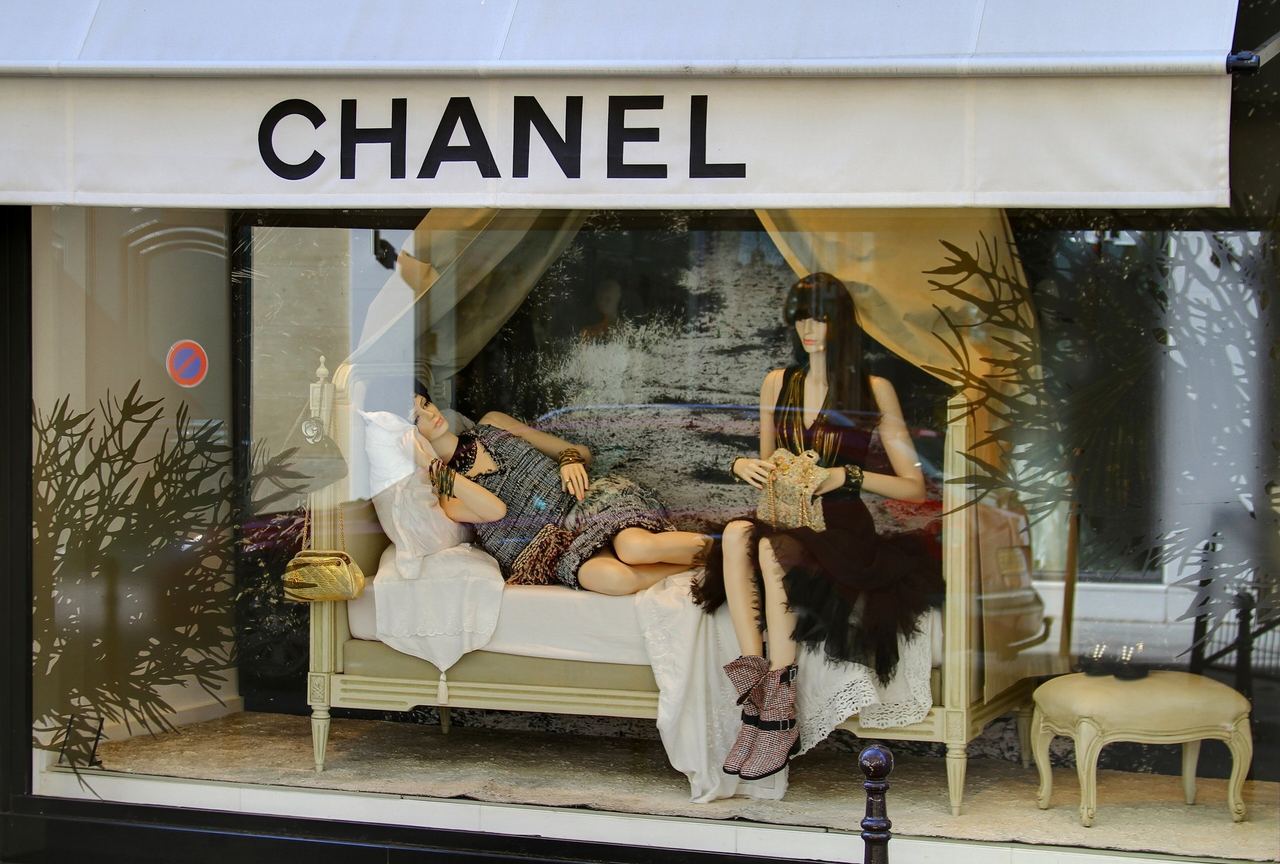
Photo Credit
Image courtesy of © Chris Waits · CC BY 2.0 via Wikimedia Commons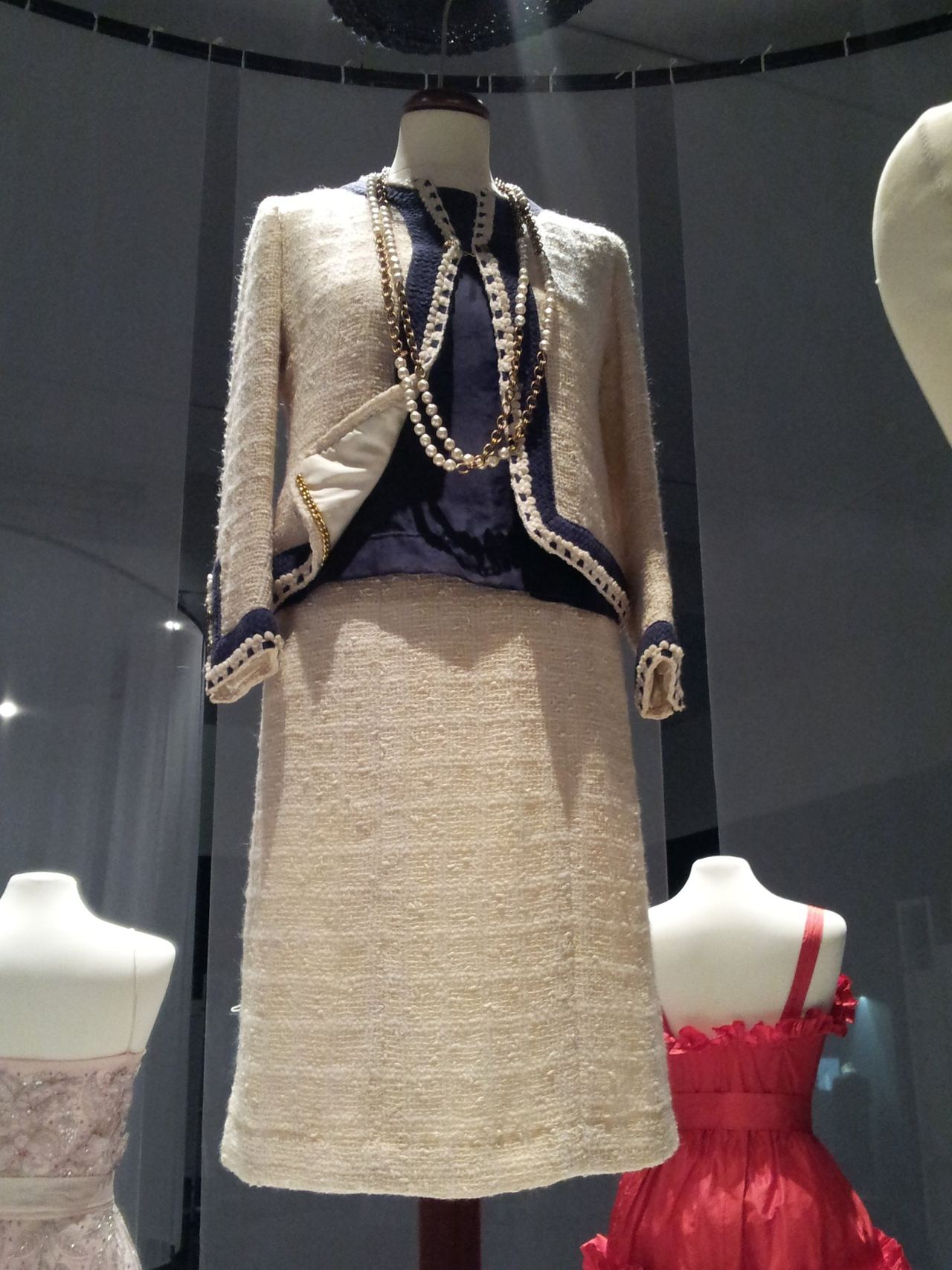
Photo Credit
Image courtesy of © Mabalu · CC BY-SA 4.0 via Wikimedia Commons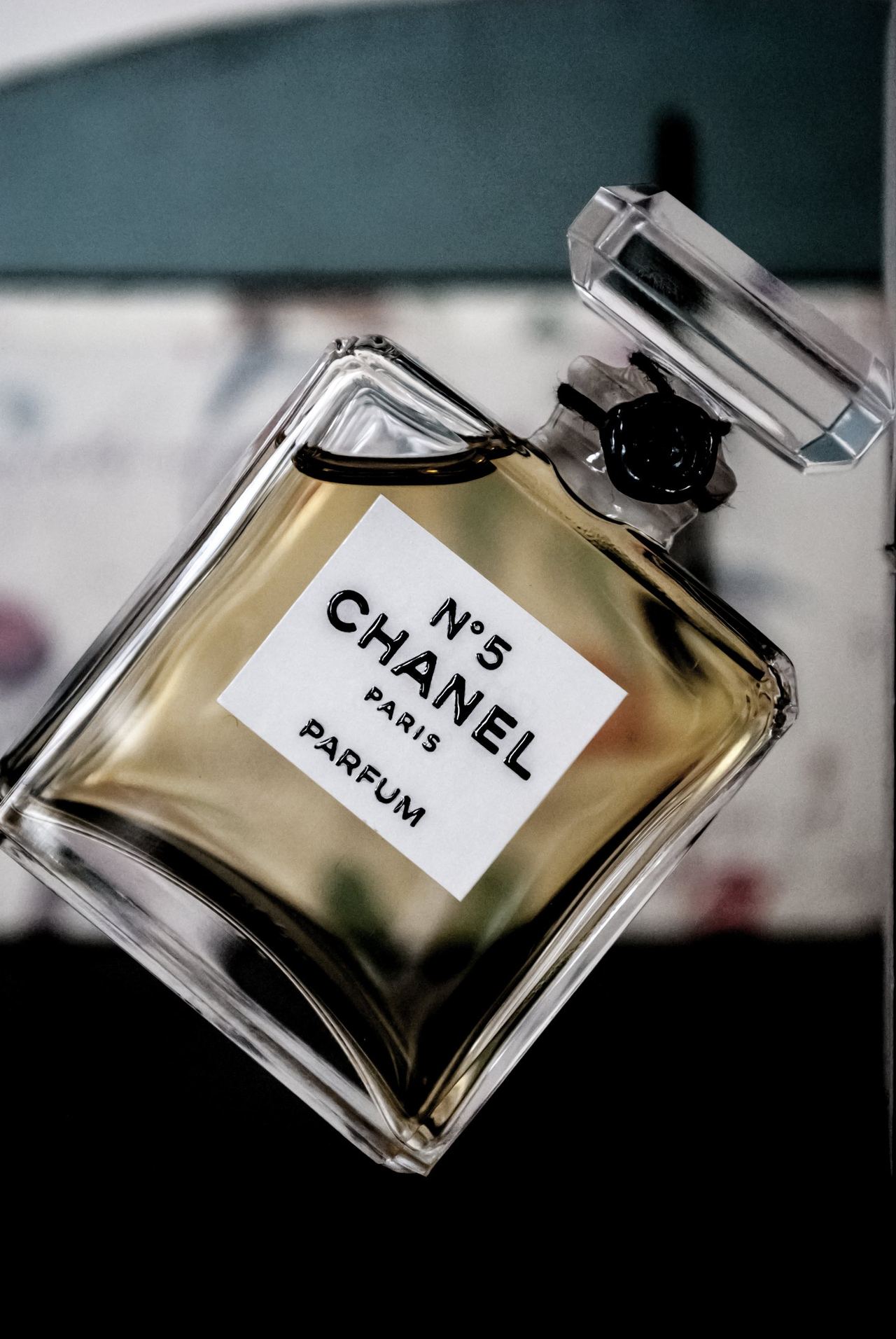
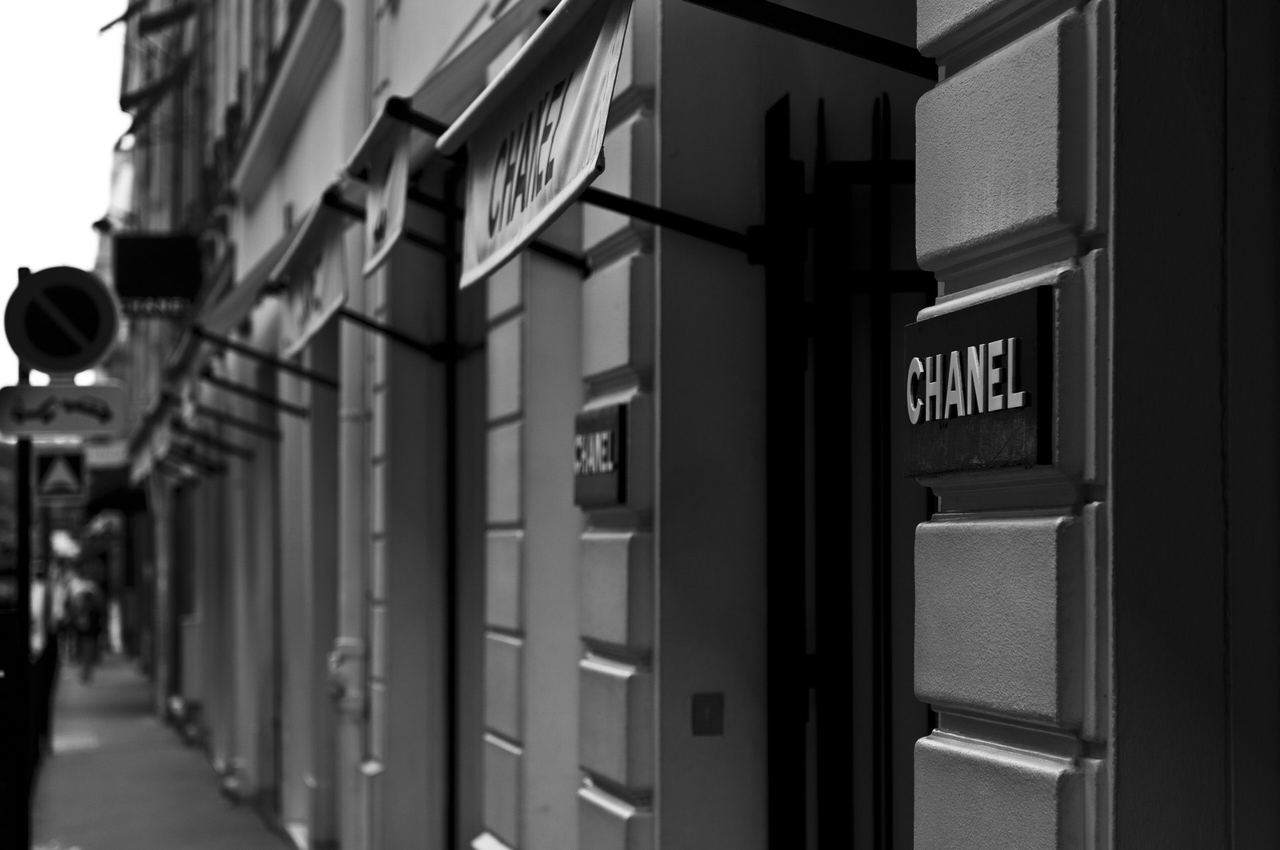
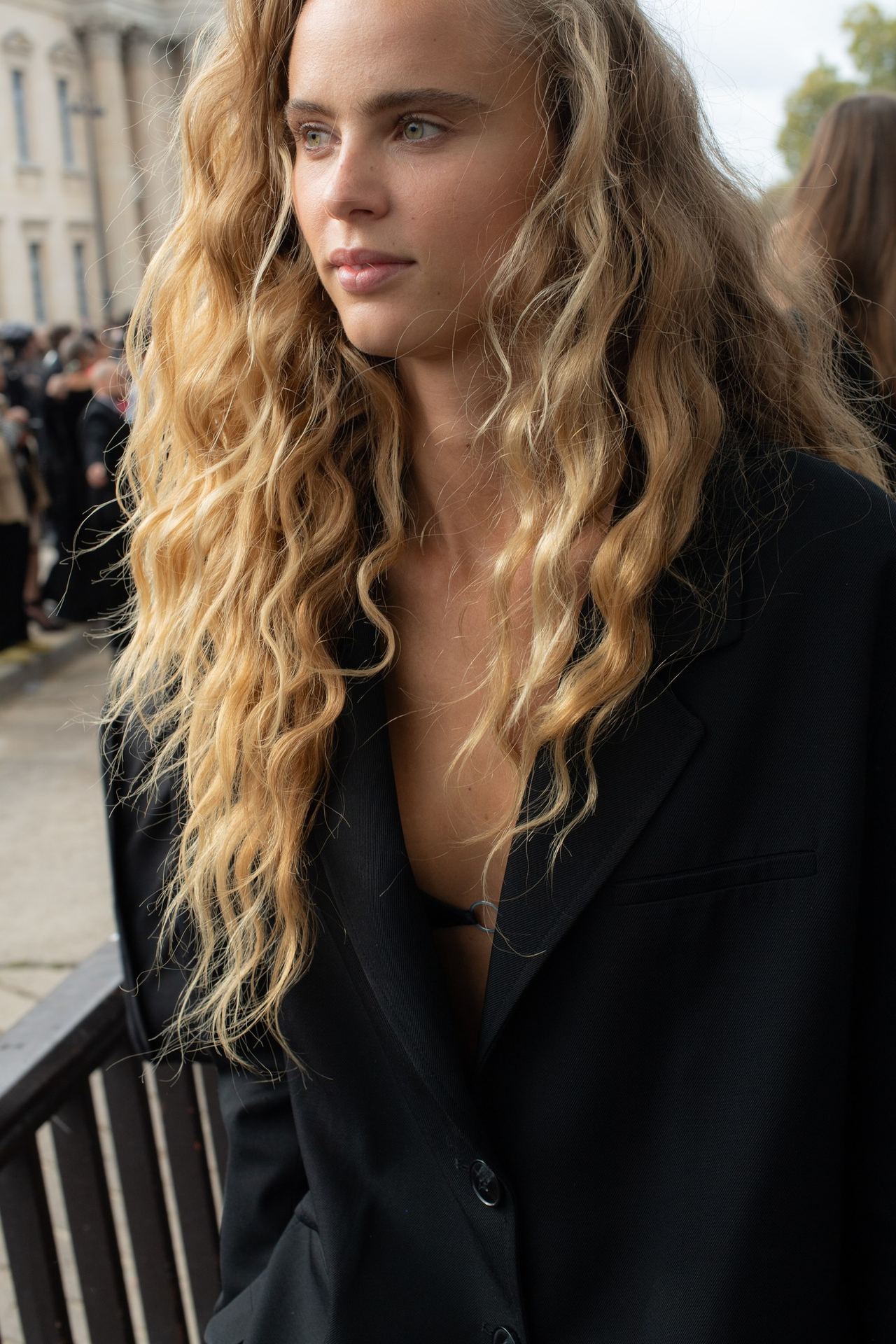
Photo Credit
Image courtesy of © Christopher Macsurak · CC0 via Wikimedia Commons
Photo Credit
Image courtesy of © Chanel1 / 6
Paris gave fashion its elegance, London its rebellion, Milan its craftsmanship and New York its dream of a whole way of life. Four cities, four designers, and between them the shape of modern fashion.
The world’s fashion capitals
Fashion has never been only about clothes. What a city wears tells you about its history, its money, its music and its nerve, and a handful of cities have turned that into an international language.
Paris, London, Milan and New York are the great capitals of that language. Their fashion weeks set the agenda each season, but their reach goes far beyond the catwalk: into the luxury market, into what the rest of the world buys and wears, and into the business of fashion itself.
What gives these four cities their power? Look closely and the answer is usually a person: a designer whose private vision became a house, and whose house became part of a city’s identity.
This is one of four portraits, written to be read together like the pieces of a jigsaw. Here: Paris and the house of Chanel. London, Milan and New York each have their chapter in their own ULTIMATE guide.
Paris: Chanel and the reinvention of elegance
Few cities wear fashion as naturally as Paris. It lives in the ateliers behind the courtyard doors, in the windows of the avenue Montaigne and the rue du Faubourg Saint-Honoré, and in the grand houses whose names have become the vocabulary of luxury.
The reputation was centuries in the making. At the court of Louis XIV, France made luxury, craftsmanship and elaborate dress an instrument of prestige, and the country has set the standard of taste ever since. Then, in the early twentieth century, one woman changed the way women dressed.
Gabrielle ‘Coco’ Chanel
When Gabrielle ‘Coco’ Chanel founded her house in Paris, women’s fashion was a matter of constraint: restrictive silhouettes and elaborate garments, built to be looked at rather than lived in.
Chanel offered another idea entirely. Her clothes were simple, comfortable and quietly elegant; they let a woman move. In questioning what femininity was supposed to look like, she freed women’s dress from the conventions of the day.
Her vocabulary is still spoken everywhere: the little black dress, the tweed suit, the quilted handbag and Chanel No. 5. Each became a lasting symbol of luxury and sophistication.
Four cities. Four different visions. One global fashion industry.
Today, Chanel remains one of the most recognisable houses in luxury fashion, and the clearest expression of what French fashion stands for: craftsmanship, restraint and an elegance that does not date.
Why Chanel matters: she changed the way women dressed, and helped make Paris the capital of modern luxury and sophistication.
Our advice: start on the rue Cambon, where the Chanel boutique stands at No. 31, then walk on to the avenue Montaigne and the rue du Faubourg Saint-Honoré, the couture streets of our shopping guide.
Four cities, four distinct fashion identities
All four sit at the heart of the international fashion industry, yet each has kept a character entirely its own.
At a glance: city, designer, fashion identity
Paris · Coco Chanel: elegance and luxury.
London · Vivienne Westwood: punk and rebellion.
London · Alexander McQueen: creativity and theatrical fashion.
Milan · Giorgio Armani: Italian craftsmanship.
New York · Ralph Lauren: American lifestyle and aspiration.
Conclusion: the influence of fashion beyond the catwalk
Together, these designers show how one creative vision can move an entire industry and change the way the world dresses. None of them made a fashion capital alone: Paris’s couture heritage predates Chanel, and London’s fashion story is far richer than punk. Each is an outstanding representative of a city, rather than the only reason it became a capital.
The influence of Paris, London, Milan and New York now reaches far beyond the seasonal collections and the shows. Between them, they have made fashion one of the world’s most powerful creative and commercial industries.
Each brought something of its own: Paris its heritage of luxury and elegance; London its rebellious creativity; Milan its craftsmanship and sophistication; New York its commercial energy and its gift for turning fashion into a way of life.
And none of it stands still. Fashion moves with society, reflects cultural change and keeps questioning established ideas. Its real power lies not in the clothes alone, but in the stories, identities and visions behind them.
Four cities. Four different visions. One global fashion industry.
Location
The map comes from Google Maps, which sets its own cookies once it loads.
More in depth
 Fashion · In depthWho Owns Fashion? The Groups Behind the Great HousesLVMH, Kering and the independents: the groups behind fashion’s greatest houses.
 Fashion · ShowsParis Fashion Week: The Shows and the New NamesCouture, Chanel’s new season and the newcomers: inside the week that closes the collections.
 The back storyFrom the Louvre to the new foundations: Paris, the city of artThe Louvre, the Orsay, Rodin, Picasso and the great foundations.